The Fal oyster fishery is about much more than oysters. It is a living part of Cornwall’s maritime heritage, shaped by generations of fishermen, traditional methods and a deep connection to the waters of the Fal.
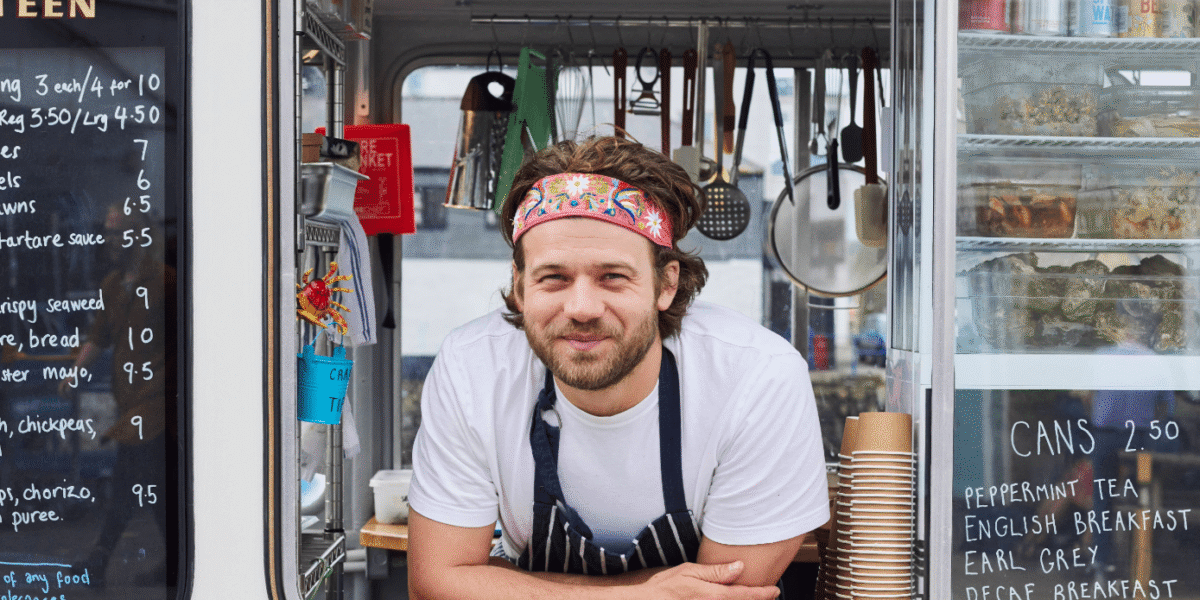
This year at Falmouth Oyster Festival, Elliot Kett of Kelp Canteen is hosting a special panel discussion – at noon on Thursday 8th October on the main stage – exploring the culture, tradition and sustainability of the fishery. The panel includes Oystermen Jason Pascoe, Paddy Vinnicombe and Nigel Carpenter, owner of St Michaels Resort.
The fishery is unique: it is the only native oyster fishery in Europe where oysters are still harvested using non-motorised boats, by sail or oar, and is one of the few commercially viable native oyster fisheries remaining in the UK. Ahead of the festival, we caught up with Elliot to find out more about his connection to the fishery, why its traditions matter and what he hopes people will take away from the discussion.
What first sparked your interest in the Fal oyster fishery and its story?
A big part of what we do at Kelp Canteen is sourcing the best local ingredients, so when we first opened the food truck we reached out to one of the local native oyster wholesalers to supply us. We didn’t really know much about the fishery at that point, but through conversations with our supplier we realised what an amazing ingredient the Fal natives are!
What makes the Fal oyster fishery so special and unique?
The history and tradition of the fishery are special – it’s still fished the way it was hundreds of years ago and is the only fishery left in Europe to still harvest using sail and oar! It’s also one of the only native oyster fisheries in the UK to have continued to be commercially viable due to the way the beds are managed and not over-fished.
Why is it important to preserve the traditional methods of harvesting oysters by sail and oar?
Preserving heritage traditions and crafts is important in any area. So much of the maritime history of the Fal is tied up with the sail and oar oyster fishery, so its key that the knowledge and skills to work the boats is continued to be passed on.
What can we learn from the generations of fishermen who have worked the Fal?
They have an incredible knowledge of the estuary, how its changed over the years, and what affects the health and biodiversity of the wider estuary area. Over the past couple of years I’ve loved chatting to the fishermen, hearing their stories and learning more about the fishery from them.
How can consumers and visitors support native oysters and traditional fisheries?
Buy and enjoy Fal native oysters whenever you see them on the menu!
What are you most looking forward to about hosting the panel?
To hear the stories from the oystermen, who’s families have been fishing for the estuary for generations, and to learn more about the history of the fishery and what the future holds.